March 5, 2024
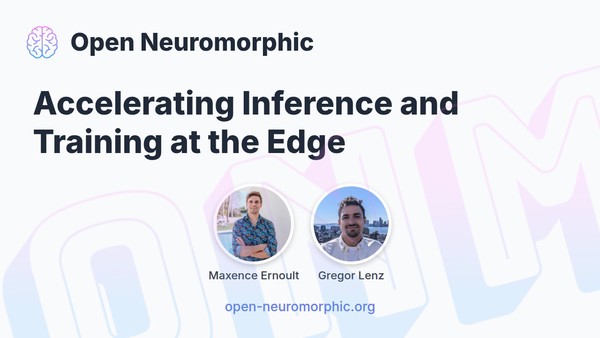
Maxence will present us Rain’s vision and technological roadmap to build hardware optimized for inference and training at the edge including both the hardware and algorithm aspects with an emphasis on why physical and mathematical principles matter more to him than biological inspiration.
About the Speakers
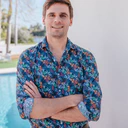
Maxence Ernoult
PhD in neuromorphic computing (Sorbonne/Mila), specialized in hardware-friendly alternatives to backpropagation. Now at Rain, previously IBM Research.

Gregor Lenz
Co-Founder & CTO at Neurobus, PhD in neuromorphic engineering. Focuses on event cameras, SNNs, and open-source software. Maintains Tonic & Expelliarmus.
Upcoming Workshops
No workshops are currently scheduled. Check back soon for new events!
Are you an expert in a neuromorphic topic? We invite you to share your knowledge with our community. Hosting a workshop is a great way to engage with peers and share your work.
Inspired? Share your work.
Share your expertise with the community by speaking at a workshop, student talk, or hacking hour. It’s a great way to get feedback and help others learn.